
8 Street Food Capitals Worth Planning a Whole Trip Around
- Home
- Blog
Some of the most memorable meals of your life won’t come with a white tablecloth. They’ll come off a smoking grill in a night market, wrapped in paper, eaten standing on a sidewalk while the city rushes past you.
Street food is travel at its most honest. It’s how locals actually eat — fast, affordable, and perfected over generations. And for food-motivated travellers, it’s reason enough to build an entire itinerary around a destination.
Here are eight cities where the street food alone justifies the flight — plus our advisors’ tips for doing it right.
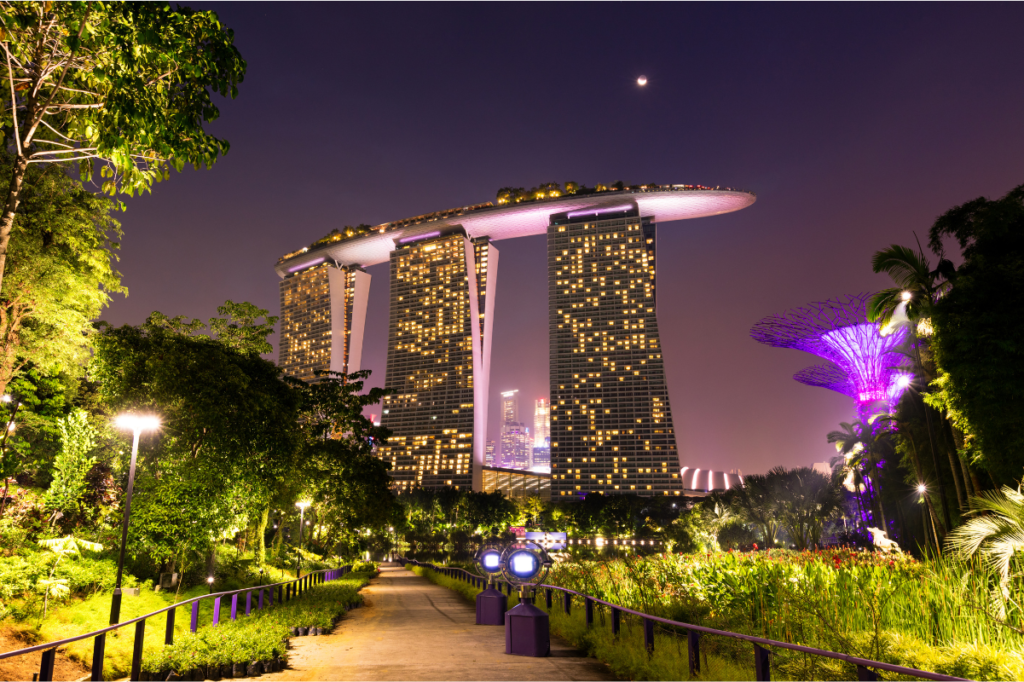
1. Singapore
Singapore took its street food culture and gave it a roof. The city’s hawker centres — bustling food halls where dozens of independent stalls compete side by side — are so central to daily life that UNESCO recognized hawker culture as intangible cultural heritage. In fact, Hill Street Tai Hwa Pork Noodle has won 1 Michelin star.
Don’t leave without trying: Hainanese chicken rice, the unofficial national dish. Silky poached chicken over fragrant rice, finished with ginger-scallion sauce. Deceptively simple, impossible to forget.
Advisor tip: Hawker centres are ideal for first-time visitors to Asia — food safety standards are among the strictest in the world, English is widely spoken, and you can pay by card at many stalls.
2. Bangkok
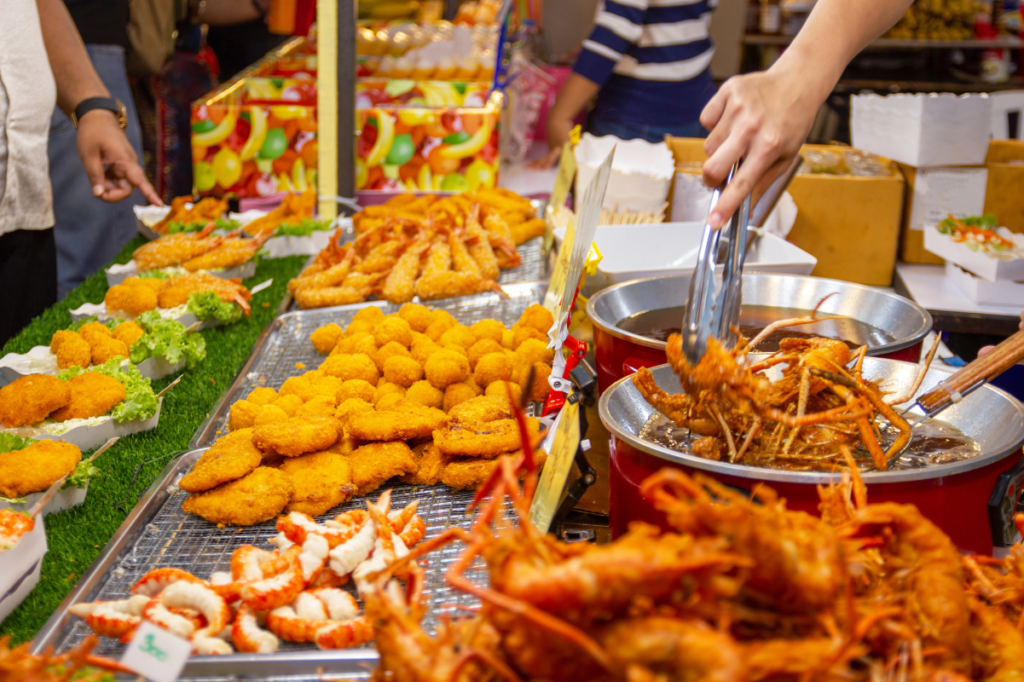
Bangkok’s street food scene truly wakes up after sunset, when Chinatown’s Yaowarat Road transforms into one of the world’s great open-air dining rooms. Woks flame, queues form, and everything from grilled seafood to silky noodles gets cooked to order in front of you.
Don’t leave without trying: Mango sticky rice — sweet coconut rice, perfectly ripe mango, and a drizzle of salted coconut cream. Dessert, breakfast, or dinner. No judgment.
Advisor tip: A guided night food tour (by tuk-tuk, ideally) is worth every baht on your first evening. You’ll learn how to spot the best stalls, then explore confidently on your own for the rest of the trip.
3. Ho Chi Minh City
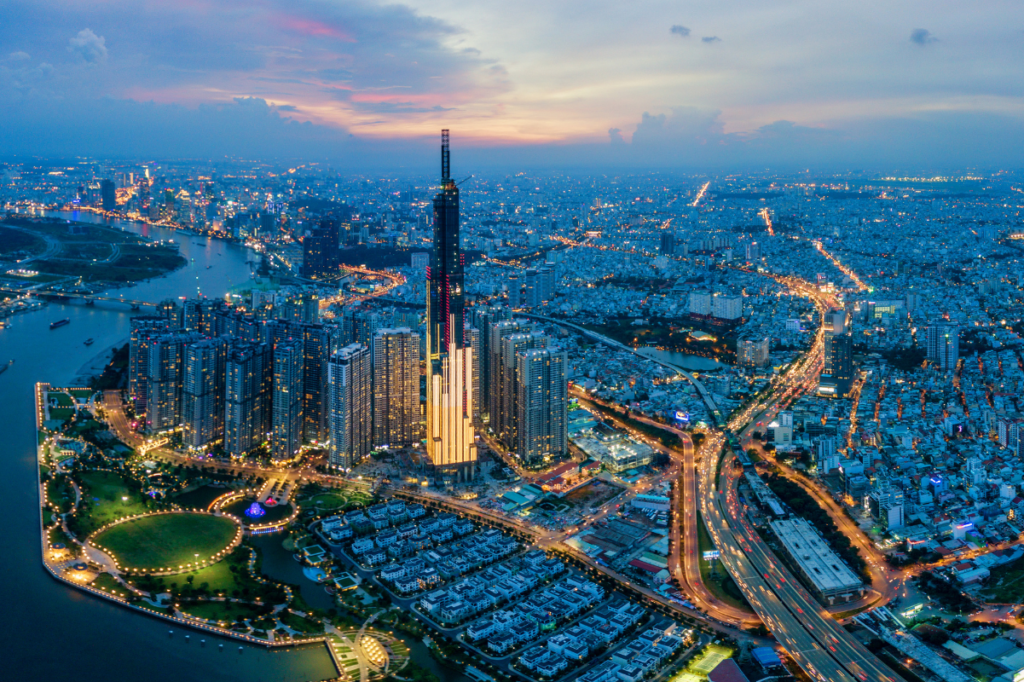
In Vietnam’s biggest city, food happens at street level — literally. Vendors set up carts and tiny plastic stools on nearly every corner, and some of the country’s most beloved dishes are served with your knees practically at your chin. It’s part of the charm.
Don’t leave without trying: Bánh mì — a crackly baguette (a delicious legacy of French colonial bakeries) stuffed with pâté, pickled vegetables, fresh herbs, and chilli.
Advisor tip: Motorbike food tours led by local guides are hugely popular here, and for good reason: your guide handles the traffic while you handle the eating.
4. Mexico City
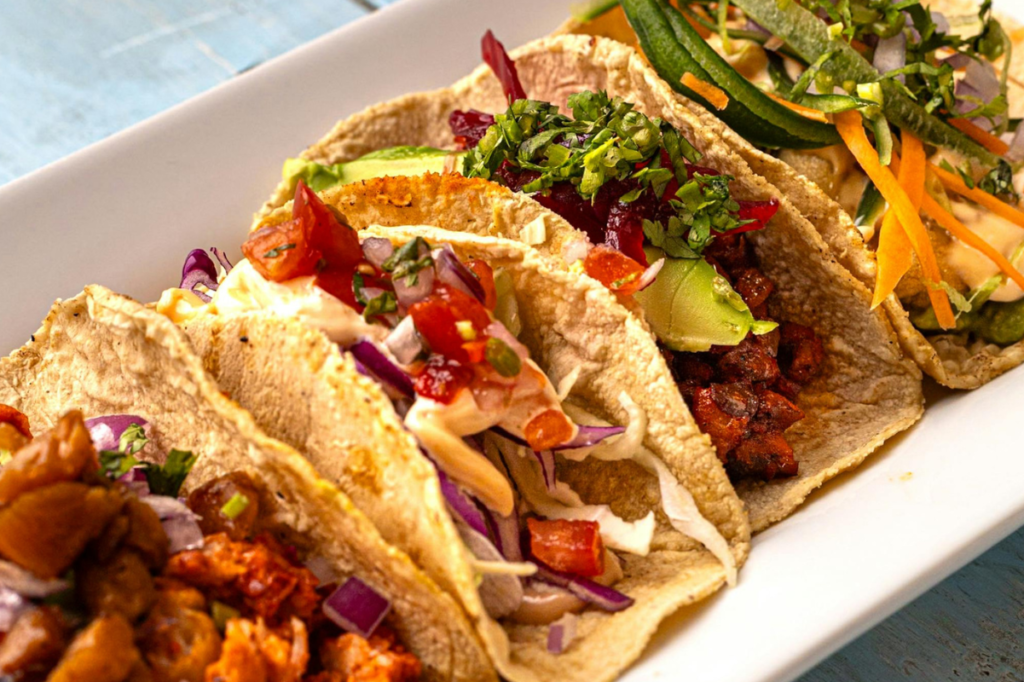
Ask anyone who’s been: Mexico City might be the best eating city in the Americas. The magic isn’t only in its acclaimed restaurants — it’s on the street corners, where taco stands draw crowds from lunch until long past midnight.
Don’t leave without trying: Tacos al pastor, marinated pork carved from a vertical spit and topped with a sliver of pineapple. Order “con todo” (with everything) and pair it with an agua fresca.
Advisor tip: The universal rule of street food applies double here — eat where the locals line up. A busy stand means fresh food and fast turnover.

5. Istanbul
Istanbul’s food culture sits at the crossroads of Ottoman, Mediterranean, and Middle Eastern traditions, and its street food reflects all three. Grab a simit (sesame bread ring) from a red cart, sample stuffed mussels from a street vendor, or eat a fresh fish sandwich beside the Bosphorus.
Don’t leave without trying: Döner kebab from the source — spit-roasted meat shaved into warm bread with vegetables and sauce. You’ve had the Canadian version; this is the original.
Advisor tip: Take the public ferry between the European and Asian sides. It’s one of the world’s most scenic commutes, costs pocket change, and lets you eat your way across two continents in a single afternoon.
6. Marrakech
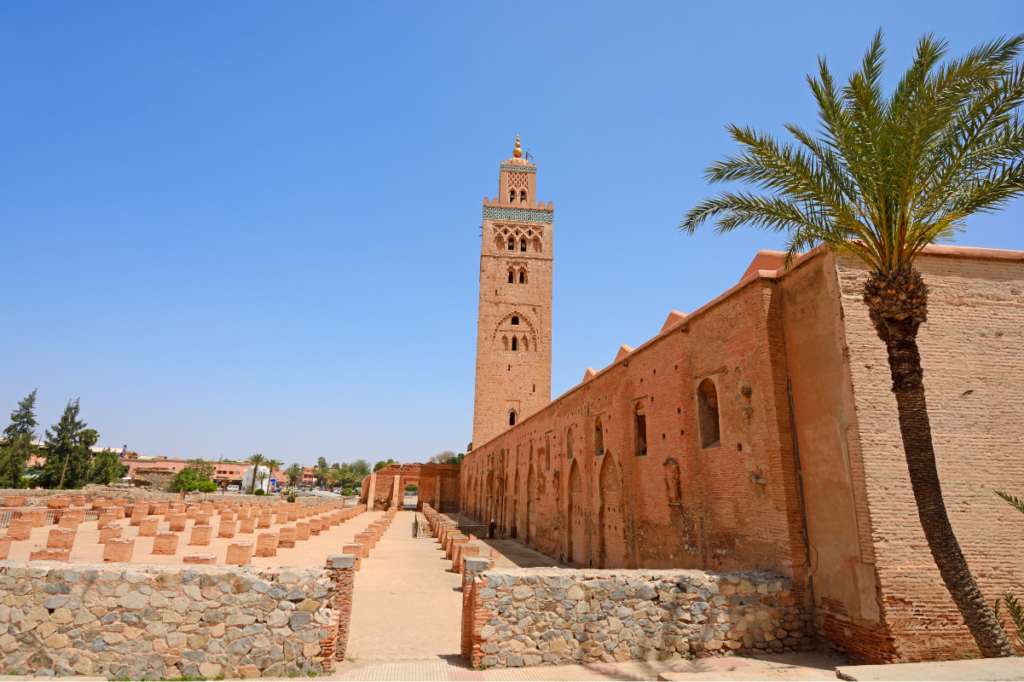
Every evening, Marrakech’s main square, Jemaa el-Fnaa, transforms into a sprawling open-air kitchen — grills smoking, mint tea pouring, vendors calling out to passersby. It’s sensory overload in the best possible way.
Don’t leave without trying: A merguez sandwich — spiced lamb sausage grilled over charcoal, tucked into fresh bread with harissa. Adventurous eaters can graduate to babbouche, the local snail soup.
Advisor tip: The square can be overwhelming on a first visit. A local guide will steer you toward the stalls locals actually eat at — and help you politely navigate the more persistent vendors.
7. New York City
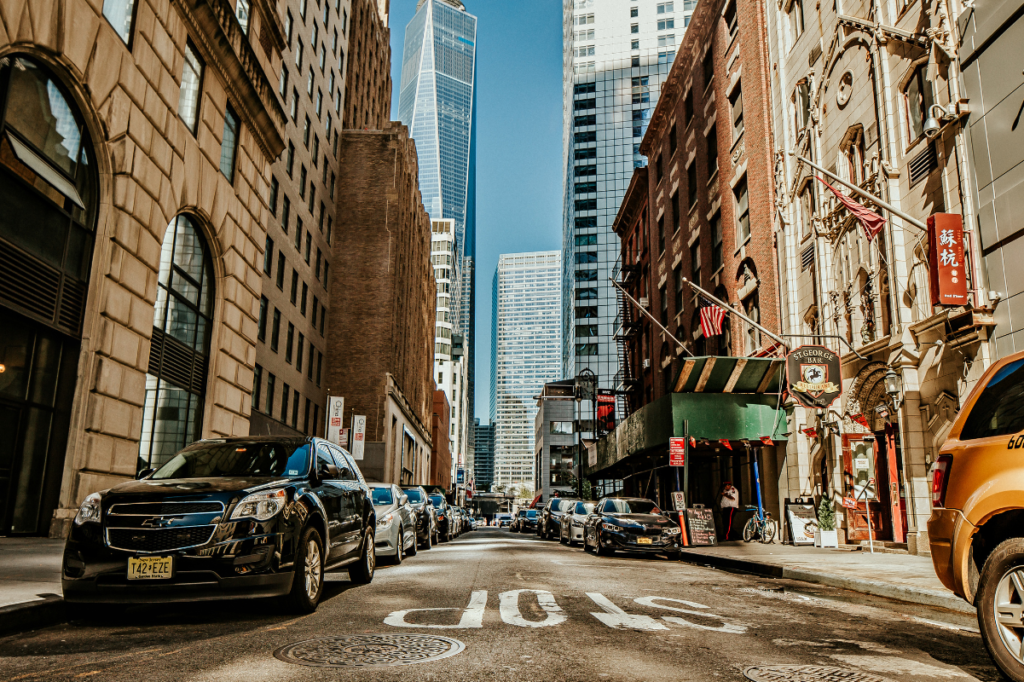
Manhattan gets the fame, but New York’s street food crown belongs to Queens — one of the most culturally diverse places on Earth. Along Roosevelt Avenue, food carts serve Tibetan, Colombian, Mexican, and Bangladeshi specialties within a few blocks of each other.
Don’t leave without trying: Momos — Himalayan dumplings, steamed or fried, served with a fiery red dipping sauce from carts in Jackson Heights.
Advisor tip: This is one of the easiest “exotic” food trips a Canadian can take — direct flights from Vancouver, Calgary, and Toronto to some of the most authentic international food in North America.
8. Los Angeles
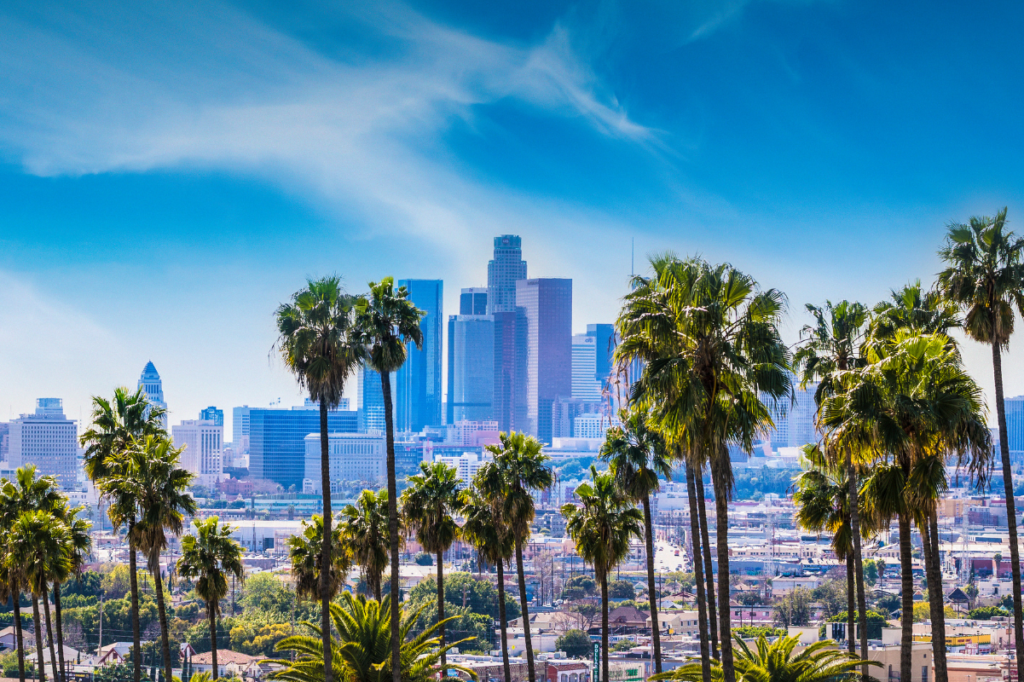
LA’s street food heritage runs deep, from the taco trucks that dot the city to the bacon-wrapped hot dog carts that appear outside stadiums and concert venues after dark. It’s casual, it’s affordable, and it’s some of the best Mexican and Central American food north of the border.
Don’t leave without trying: The famous bacon-wrapped “danger dog,” griddled with onions and peppers and loaded with condiments. Best enjoyed at midnight after a show.
Advisor tip: Pair a food-focused day downtown (Grand Central Market and historic Olvera Street) with the beach, theme parks, or a concert — LA is an easy add-on to any California itinerary.
Street Food Smarts: How to Eat Like a Local (Without Regretting It)
A few rules our well-fed advisors swear by:
Follow the crowds. A long line of locals is the most reliable restaurant review in the world. High turnover means fresh ingredients.
Watch it being cooked. Choose stalls where food is prepared hot and to order in front of you, rather than sitting out.
Carry small bills in local currency. Most vendors are cash-only, and nobody wants to break a large note for a $2 snack.
Ease in. Give your stomach a day or two to adjust before going full food-crawl. Stick to bottled or filtered water where recommended, and pack a basic travel health kit.
Book a food tour early in your trip. A local guide on day one teaches you how to navigate the scene — what to order, how much to pay, which stalls shine — so you can explore independently after.
Don’t skip travel insurance. An upset stomach is usually the worst-case scenario, but comprehensive coverage means a minor issue never becomes a trip-ruining expense.
Travelling should be exciting, not stressful.
The best food trips don’t happen by accident. A Travel Masters advisor can build your itinerary around the eating — timing your visit for the right markets and festivals, booking food tours with trusted local guides, and handling flights, hotels, and insurance so all you have to do is show up with an appetite.

Explore
Support
Copyright © 2026 Travel Masters | Developed by CLICKINHOUSE
