
Everything You Need to Know For Your First Safari
- Home
- Blog
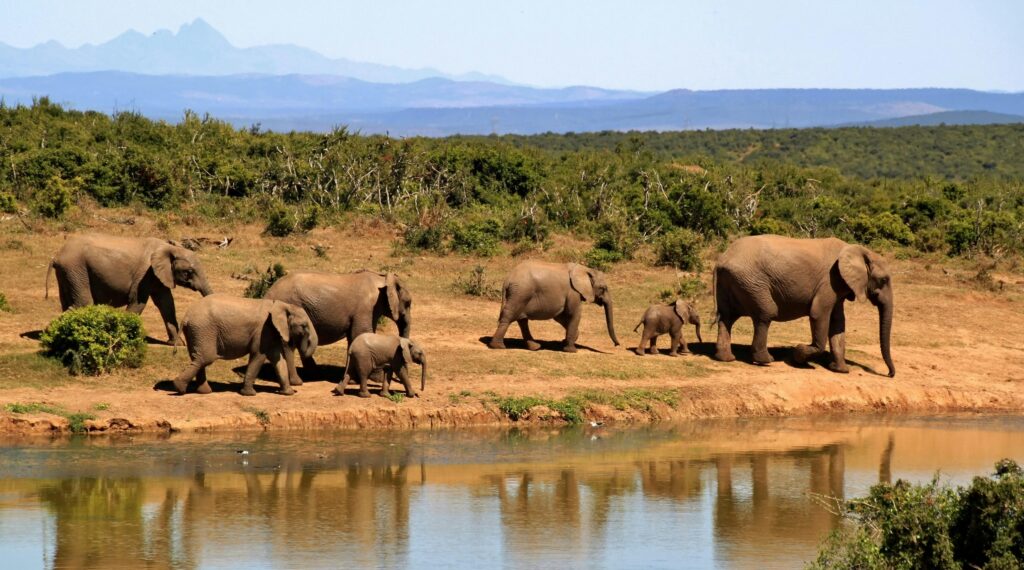
Imagine waking up to the sound of birdsong as the sun rises over the African plains. The horizon glows golden, and within minutes, you’re watching elephants wander past, lions stretch after the night’s hunt, or a herd of wildebeest thunder across the savannah.
A safari isn’t just a vacation—it’s a front-row seat to the rhythm of the wild, and an experience that stays with you forever.
From Kenya’s endless Maasai Mara to Tanzania’s Serengeti, from Botswana’s lush Okavango Delta to South Africa’s famous Kruger National Park, each destination offers a unique perspective of Africa’s breathtaking wildlife and landscapes.
Whether you’re dreaming of rustic tented camps under the stars or indulging in five-star lodges with every comfort imaginable, there’s a safari style for every kind of traveller.
But planning the perfect safari comes with big questions: Which country fits your style best? How do the seasons change what you’ll see? What’s worth bringing (and what should stay at home)? Which guide or tour operator can truly make the difference between a good trip and an unforgettable one?
That’s where we come in. Our experience specialists have been there—tracking lions at sunrise, crossing dusty plains in jeeps, and experiencing safaris on every budget, from adventurous to ultra-luxurious. Their first-hand knowledge means you don’t just get advice—you get insights only seasoned explorers can share.
Ready to start your own safari story? Let’s create the adventure that’s been waiting on your bucket list.
How Do I Plan My Very First Safari?
Planning a safari isn’t like booking a weekend getaway—it’s weaving together countless moving parts into one unforgettable journey. From choosing the right national parks to securing the best guides, camps, and travel routes, there’s a lot more that goes into it than meets the eye.
That’s why the smartest move is to lean on the people who’ve been there, done that, and still get goosebumps talking about it. Our experience specialists have crisscrossed Africa on dozens of trips, testing everything from budget-friendly tented adventures to ultra-luxury lodges. They know the small details that can make a huge difference—like which season gives you front-row seats to the Great Migration, or which camp sits right along a hidden elephant corridor.
With their guidance, you don’t have to stress about logistics, transfers, or whether you’re packing the right things. Instead, you get to focus on the excitement: your first lion sighting, your first sundowner in the bush, your first night under an African sky bursting with stars.
Let the experts craft the journey—so your only job is to live it.
When Is The Best Time to Go On Safari?
There isn’t one universal “best” season—there’s the best time for you. Africa’s diversity means something extraordinary is happening year-round.
- Want to witness the Great Migration? Head to East Africa between June and October.
- Fascinated by newborn wildlife and dramatic green landscapes? The rainy season is your season.
- Prefer clear views and easy game-spotting? The dry months deliver unforgettable sightings.
From Botswana’s Okavango floods to South Africa’s year-round drives, every month holds unique opportunities. The secret is matching your timing to your priorities—and our experience specialists know exactly how to align your travel dates with the experiences you’ve been dreaming about.
How Long Should My First Safari Be?
There’s no one-size-fits-all answer—the ideal length really depends on what you want out of your journey. For the safari portion alone, most travellers find that 3–4 nights in one reserve strikes the perfect balance.
That gives you enough time to settle in, experience multiple game drives in different conditions, and increase your chances of spotting a wide variety of wildlife—without feeling rushed.
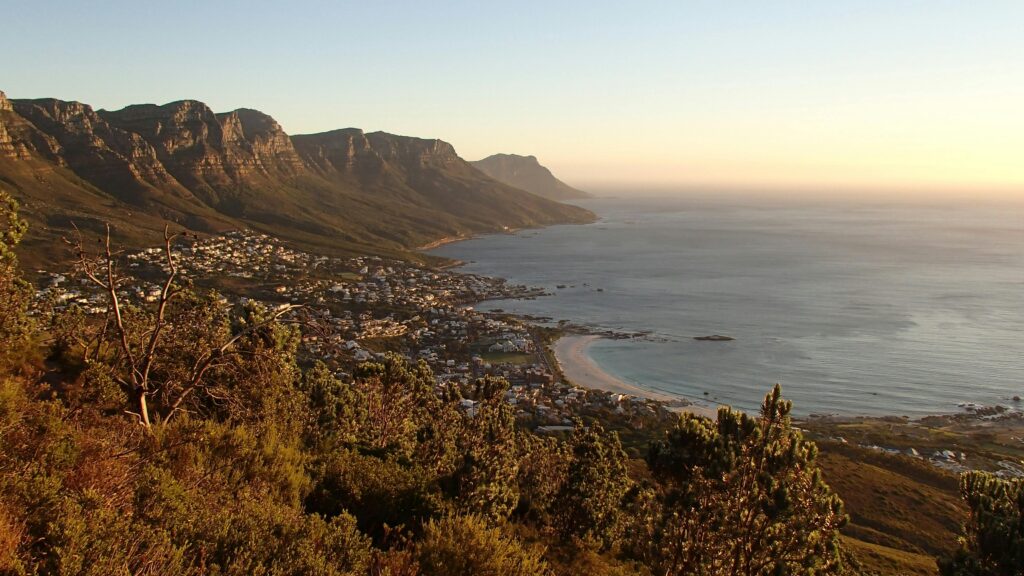
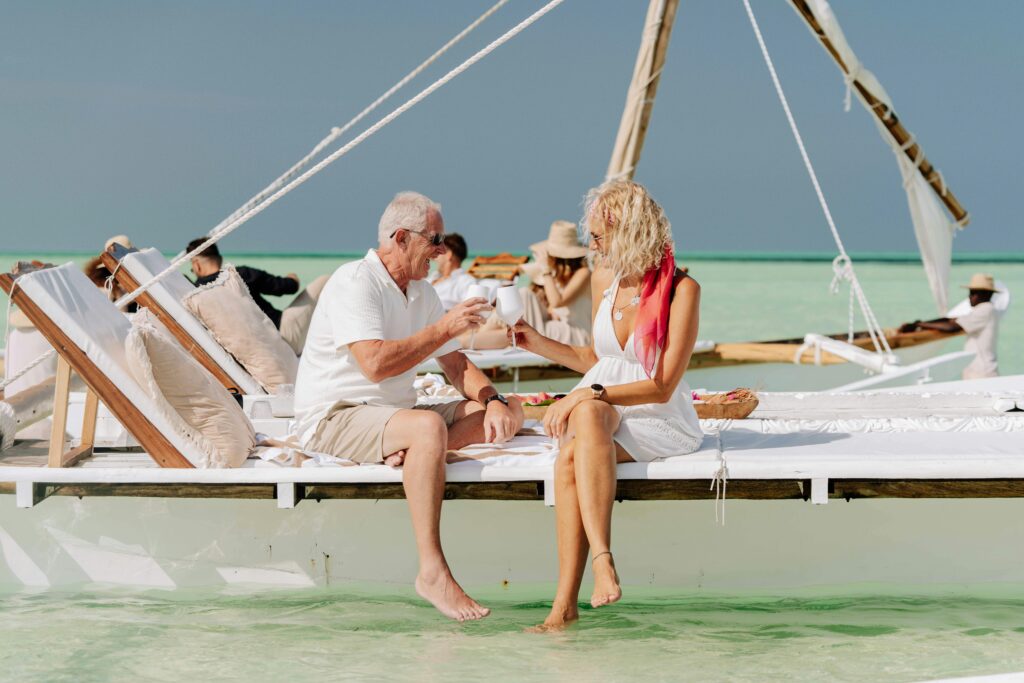
But many travellers choose to go beyond the bush. Maybe you’d like to unwind on the beaches of Zanzibar, explore vibrant local cultures, or sip your way through South Africa’s world-famous wine country. Building in a few extra days for these experiences transforms your safari from a trip into a truly rounded adventure.
Think of it this way: your safari is the heartbeat of the journey, but the moments you add around it—whether coastal sunsets, cultural encounters, or vineyard tours—can make the rhythm even richer.
What Should I Pack For a Safari?
Packing for safari isn’t about filling a suitcase—it’s about choosing smart, versatile essentials that keep you comfortable in every situation.
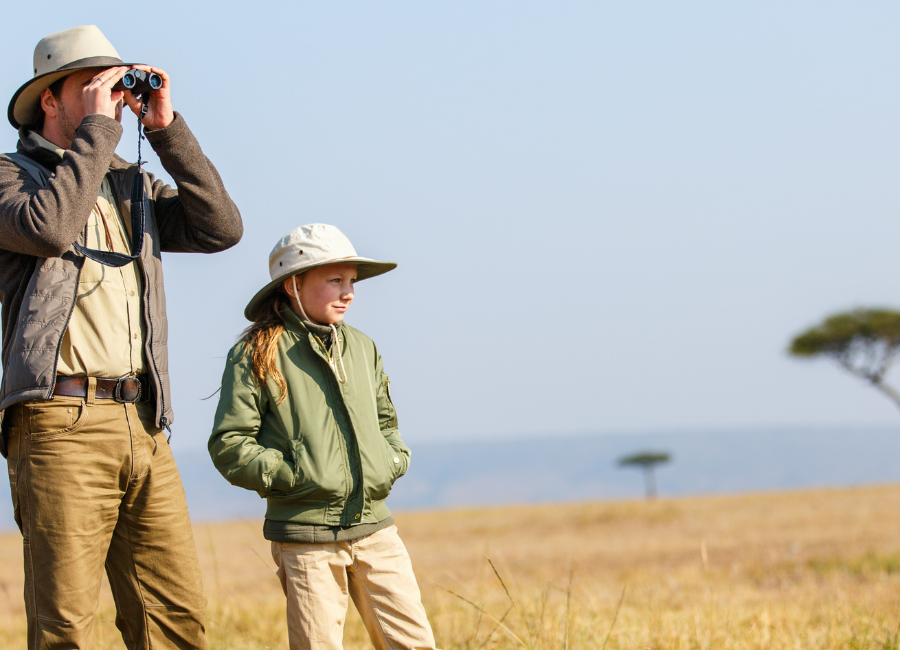
Think neutral tones like khaki, beige, and olive (they blend in better with the bush and don’t attract insects). Lightweight, breathable fabrics work for hot days, while a warm layer or fleece is a must for chilly mornings and evenings.
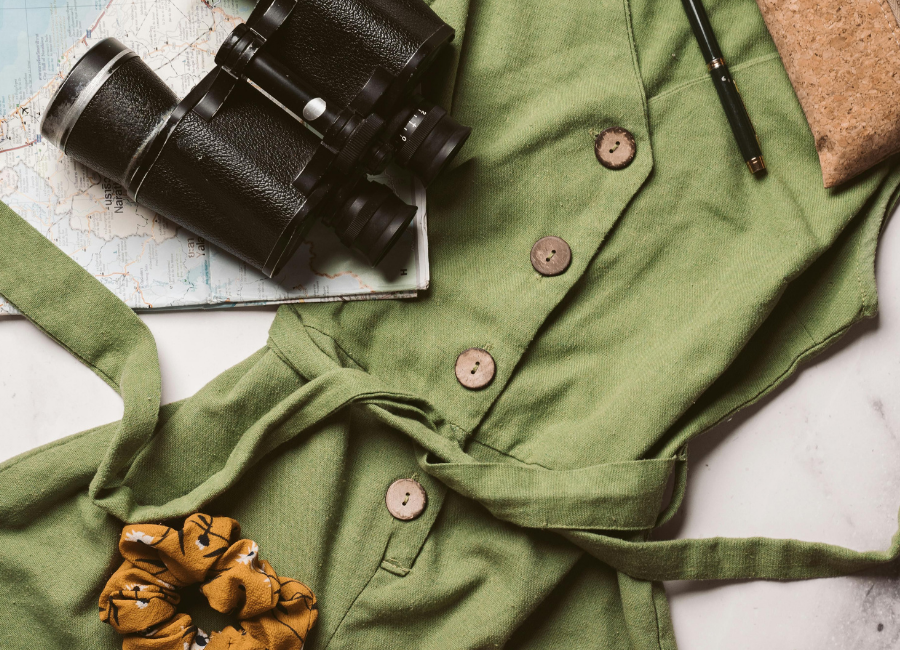
Don’t forget sturdy walking shoes, a wide-brim hat, sunglasses, and plenty of sunscreen. Binoculars and a good camera bring the wildlife closer than you ever imagined. A reusable water bottle is a game-changer on long drives, and a small daypack is perfect for keeping your hands free.
The golden rule: pack light. Most safari flights and vehicles have strict luggage limits, so soft-sided duffels are better than hard suitcases.
What’s a Typical Day on Safari Like?
Safaris have their own rhythm—one that quickly becomes addictive. Here’s what you can usually expect:
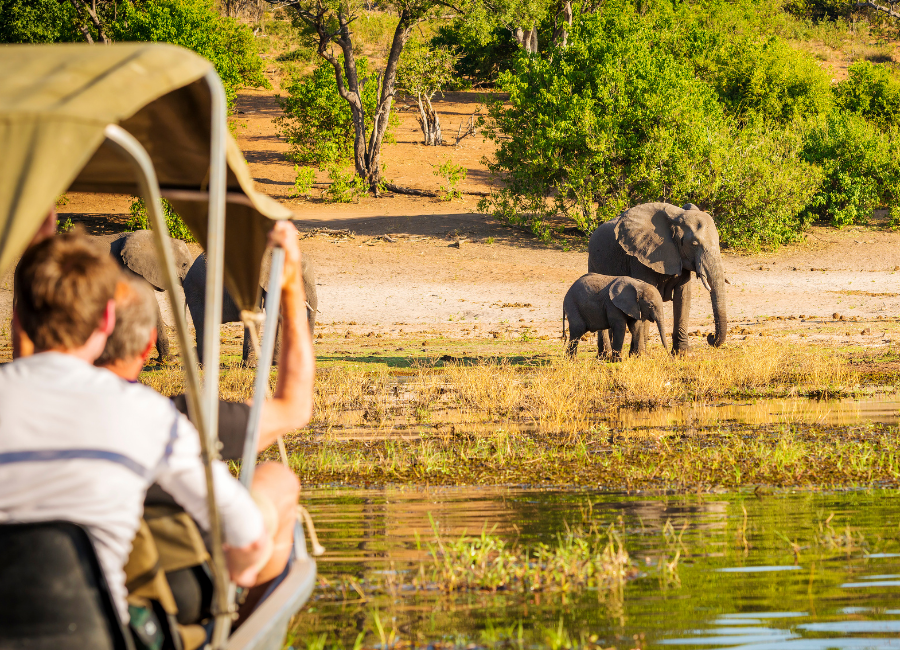
- Early mornings: Wake before sunrise, grab a quick coffee or tea, and head out while the bush is most alive. Predators are active, the air is crisp, and the light is perfect for photos.
- Midday rest: Return to camp late morning for breakfast or brunch, then relax. This is your time to nap, swim, read, or simply watch wildlife wander by from the comfort of camp.
- Afternoon drives: Head out again as the day cools. Animals become more active, and sunsets paint the sky in unforgettable colours.
- Evenings: Gather around a fire, share stories with guides and fellow travellers, and dine under a blanket of stars.
Should I Do a Private Safari or Join a Group?
Both styles have their advantages:
Private safaris offer full flexibility—your own guide, your own pace, and a personalized experience.
Group safaris are more social and budget-friendly, letting you share the adventure (and the cost) with fellow travelers while still enjoying top parks and guides.
The “better” option depends on your travel style, budget, and whether you prefer independence or camaraderie. Our specialists can design either—sometimes even blending both for the best of both worlds.
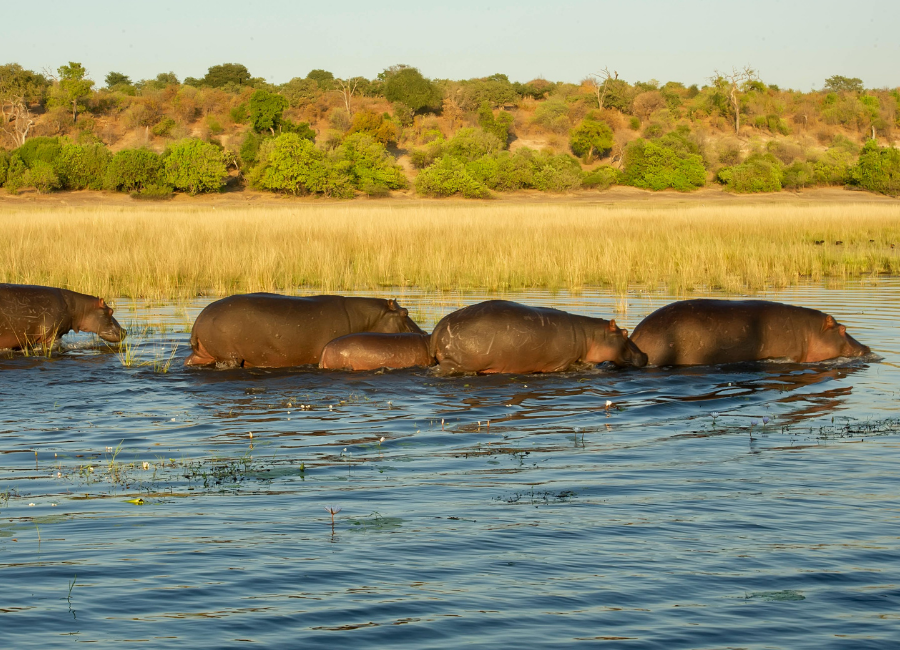
What Animals Will I See on Safari?
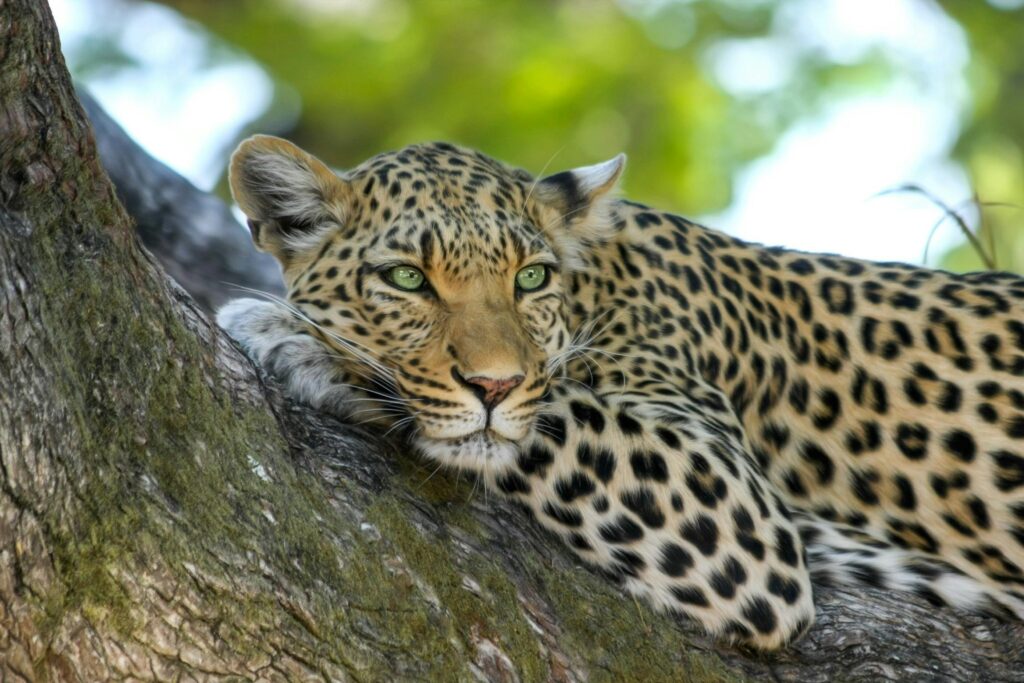
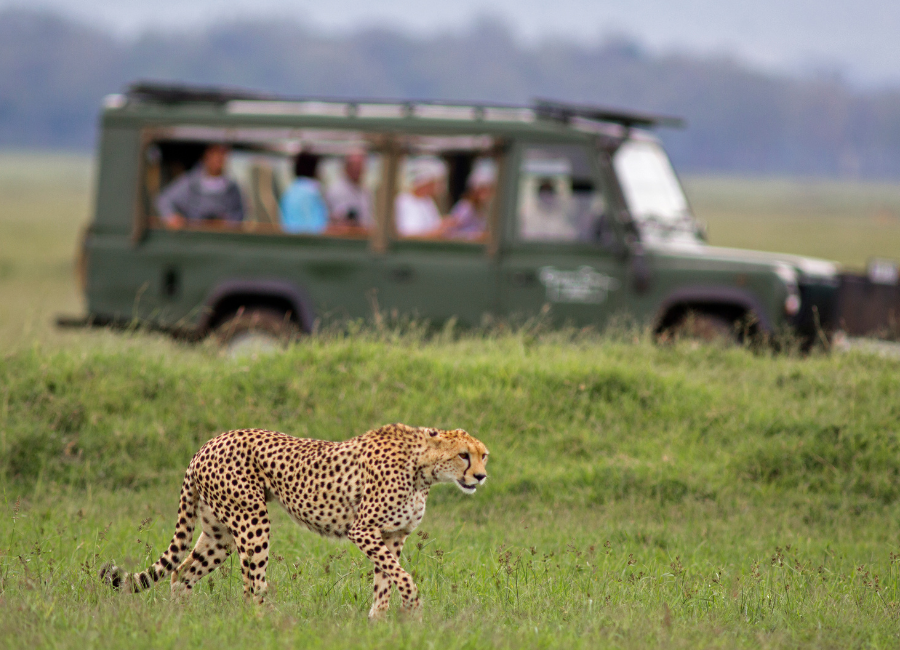
While nothing is guaranteed in the wild, you’ll almost certainly encounter an astonishing variety of wildlife. The famous Big Five—lion, leopard, elephant, buffalo, and rhino—are often highlights, but they’re just the beginning.
Depending on your destination and season, you could witness:
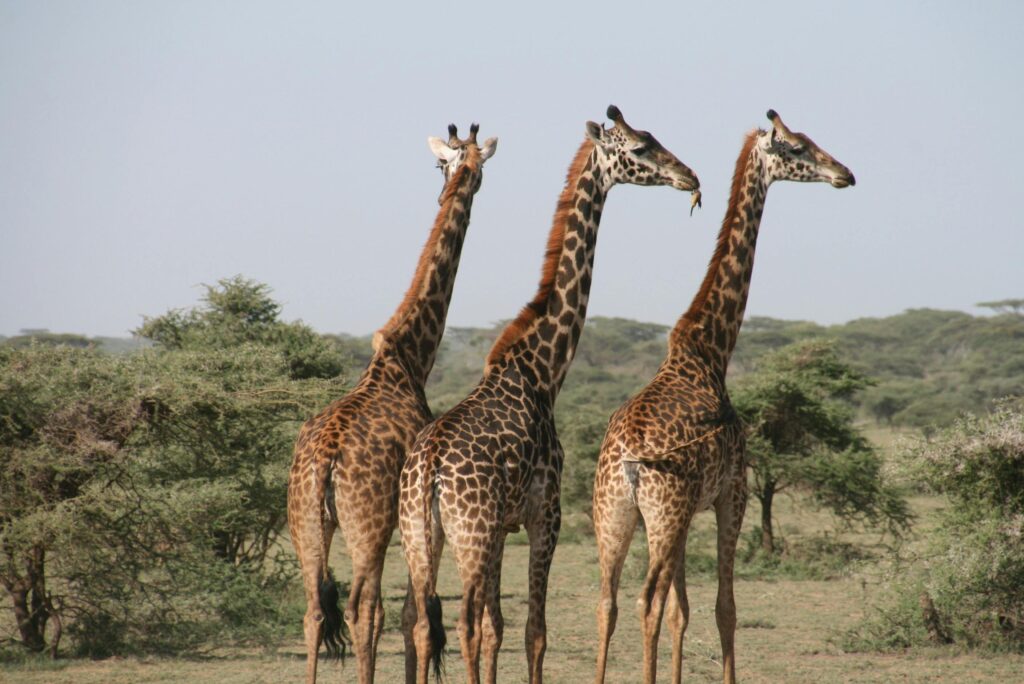
- Giraffes silhouetted against the sunrise
- Hippos wallowing in rivers
- Cheetahs sprinting across the plains
- Zebras and wildebeest on endless migrations
- Crocodiles lurking near watering holes
- Hundreds of bird species, from lilac-breasted rollers to fish eagles
Is a Safari Safe?
Safety is always a top priority, and with the right planning, safaris are very safe. Camps and lodges are well-trained in keeping guests secure, vehicles are guided by experienced professionals, and wildlife is respected at all times. Following a few simple rules—like staying in your vehicle, listening to your guide, and not wandering alone at night—ensures peace of mind.
Our trusted partners across Africa go above and beyond to create not only safe but also comfortable environments, so you can focus on enjoying the adventure.
Ready to Plan Your Safari?
A safari isn’t just a trip—it’s the kind of experience that changes the way you see the world. Whether you’re dreaming of luxury lodges, off-the-beaten-path tented camps, or a mix of adventure and relaxation, we’re here to craft a journey that fits you.

Explore
Support
Contact Us
Head Office
Copyright © 2025 Travel Masters | Developed by CLICKINHOUSE